When Sirenie Took the Field, Girls Followed
Stay Connected To Female Coaches In Burundi
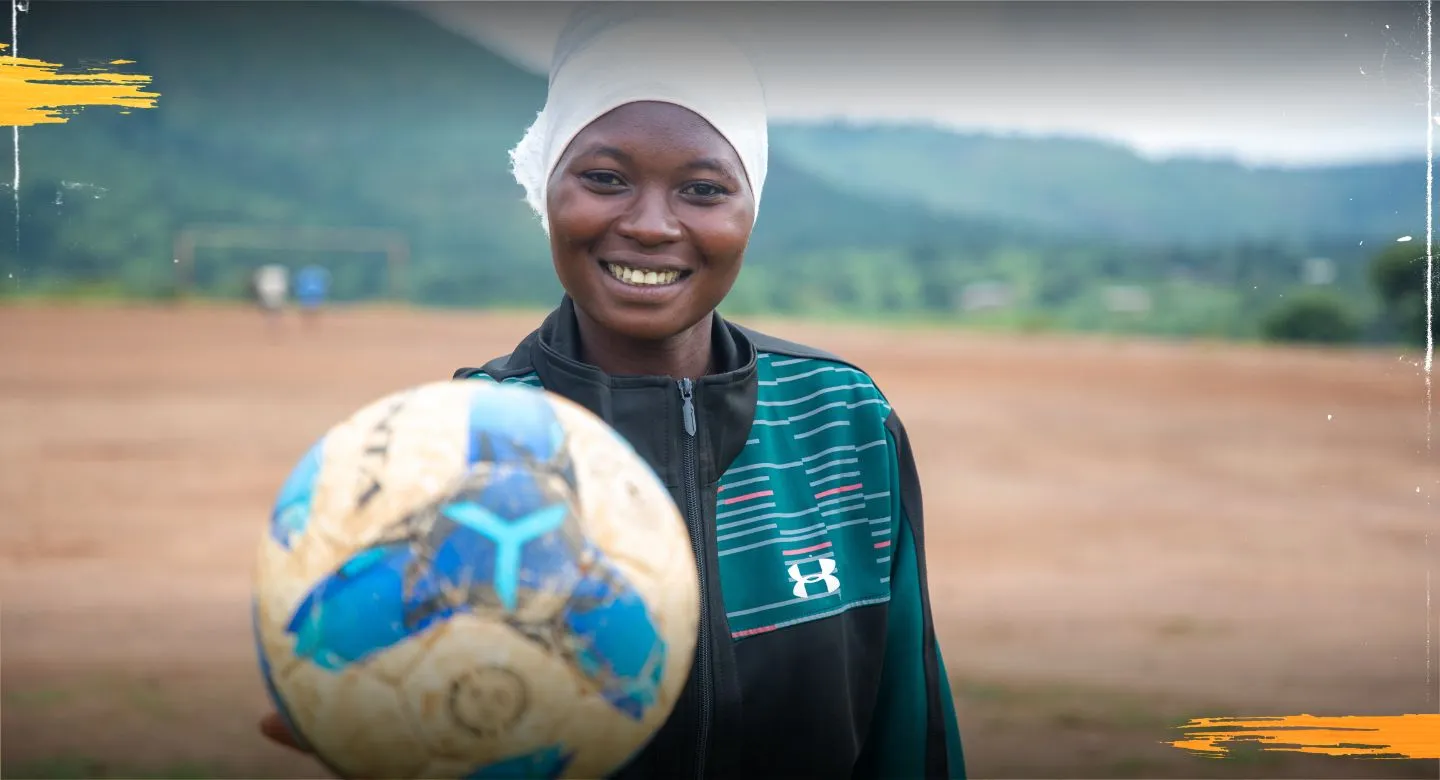
On a dusty football field in Gisuru, Burundi, Sirenie blows a whistle and sends a group of girls racing after the ball. She watches closely, calling out encouragement as they run, laugh, and play freely. For a moment, she smiles — because it wasn’t always like this for girls like her.
When Sirenie first stepped onto a football field at age 10, many people believed she did not belong there. In her community, football was seen as a game for boys, and girls who played were often criticized and discouraged. Some families feared that sport would harm a girl’s reputation and even her chances of marriage.
Fighting The Norms
In many communities in Burundi, girls still face barriers that prevent them from participating in sport and leadership opportunities. Social expectations often limit girls’ confidence and restrict what they believe is possible. Female coaches are particularly rare, making up only 11.5% (72 out of 626) of coaches.
At age 10, Sirenie watched boys play at school and thought, “I could learn this too”. The boys welcomed her; the community did not. “People said a girl who plays football brings shame to her family,” Sirenie remembers. Some urged her mother, Isidora, to stop her. But Isidora refused to give in.
“I saw that football made her disciplined and confident, So I supported her.”
“She trained and still helped at home,” she added. With that support, Sirenie kept practicing. When equipment was scarce, she and friends made balls from banana leaves. Her confidence grew, then her leadership: she began gathering neighborhood children to play.
Through Right To Play’s Sports Protect – Kukivi project, supported by the Olympic Refuge Foundation, Sirenie received training to become a community coach. The program trains community coaches to use sport and play to build life skills like teamwork, leadership, and confidence, especially for girls who’ve been told sport is “not for them.”
From Player To Coach
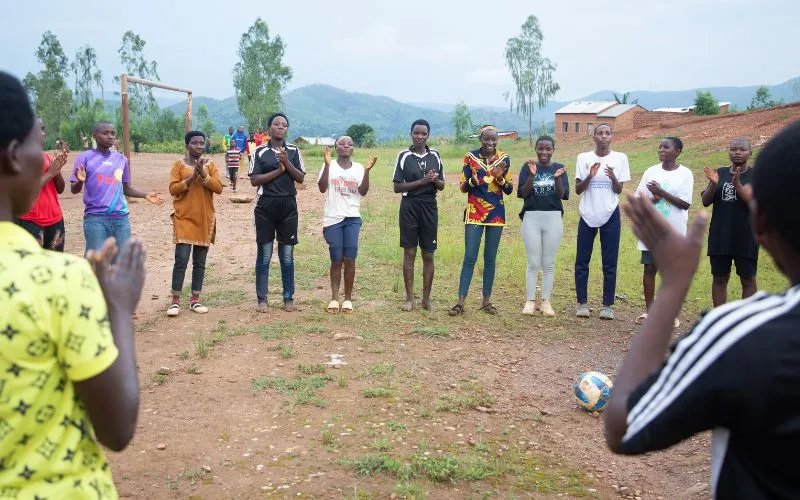
Through Kukivi, Sirenie learned how to lead inclusive sessions, manage safe spaces, and mentor younger children. Today, Sirenie is no longer just a football player. She is a community coach and a role model for girls. She leads regular training sessions in her neighborhood, helping girls build confidence, speak up, and believe in themselves.
Parents who once doubted girls’ participation in sport are now allowing their daughters to join her sessions. “Football didn’t stop my daughter from succeeding,” says Isidora proudly.
For Sirenie, the biggest change is seeing how other girls now believe in themselves.
“When girls play, they discover how strong they really are.”
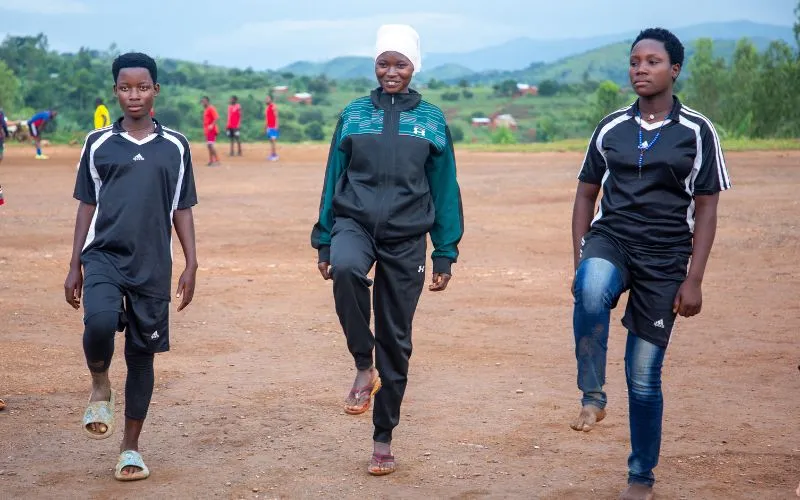
Sirenie plans to keep coaching and to bring more girls into the game. She hopes that one day, girls playing football will no longer be seen as unusual — but normal.
The Sports Protect – Kukivi project funded by the Olympic Refuge Foundation and supported by the Burundi National Olympic Committee and the Ministry of Youth, Sports and Culture, helps children and youth affected by displacement build confidence, resilience, and leadership through sport and play. The program has trained 80 community coaches and reached 16,000 young people in Cibitoke and Ruyigi provinces. By creating safe spaces and equipping parents, coaches, and peers to provide psychosocial support, the project helps youth to build confidence and agency.